

Table of Contents
✔ Financial and Contractual Red Flags: Protecting Your Budget
✔ Licensing, Branding, and Professionalism Red Flags
✔ Research and Reputation Red Flags
How to Verify a Commercial Mover’s Legitimacy
Items You Should Never Let Movers Handle
The Safest Ways to Pay for Commercial Moving Services
Frequently Asked Questions
Strengthen the Moving Plan With Trusted Commercial Relocation Support!
Key Takeaways✔ Clear contract terms, realistic pricing, and secure payment practices are essential to preventing budget-related moving scams. ✔ Proper licensing, visible branding, and professional communication are critical indicators of a mover’s legitimacy. ✔ Consistent reviews, verified feedback, and transparent inspection practices help reveal a company’s true reputation. ✔ Verifying licensing, valuation, physical addresses, and third-party reviews protects against fraudulent operators. ✔ Certain sensitive, valuable, or hazardous items are safer and more responsible to transport independently. ✔ Payments made through secure, traceable methods with staged billing offer the strongest protection against fraud. |
Moving your office is a high-stakes operational decision, and when seeking professional business moving companies near me, vigilance is crucial to avoid financial fraud and costly delays. The industry is unfortunately prone to scams, where operators lure businesses with unrealistic low quotes or demand large upfront cash payments without proper licensing or contracts.
Identifying these critical red flags is the single most effective way to protect your corporate assets and budget, ensuring your commercial relocation proceeds smoothly and securely.
✔ Financial and Contractual Red Flags: Protecting Your Budget
The most common moving scams exploit your budget through deceptive pricing and contracts. Be on high alert if any prospective mover exhibits the following behaviors:
Unrealistically Low Quotes: The Bait-and-Switch Tactic
A quote that seems too good to be true is the most significant warning sign. Unscrupulous movers will intentionally low-ball the initial estimate to secure your business, only to increase the price dramatically on moving day through added fees, weight charges, or unforeseen “labor costs.”
Large Upfront Deposits or Reservation Fees
Legitimate, trustworthy business moving companies near me typically require a small deposit to secure the date, and often, they require no payment until the job is complete. Be extremely wary of any company demanding a deposit of 20% or more, especially if they try to rush you into paying before a proper contract is reviewed.
No Written Contract or Vague Estimates
A company that refuses to provide a detailed, binding estimate and comprehensive written contract is a major red flag. This contract must clearly outline the services, costs, inventory, and liability clauses. Never sign a blank or partially filled contract.
Cash-Only Payments and Lack of Records
Be wary of movers who demand payment only in cash or bank wire transfers. Reputable moving companies accept major credit cards. Using a credit card offers a crucial layer of fraud protection and allows you to dispute charges if the services are not rendered or if damages occur.
✔ Licensing, Branding, and Professionalism Red Flags
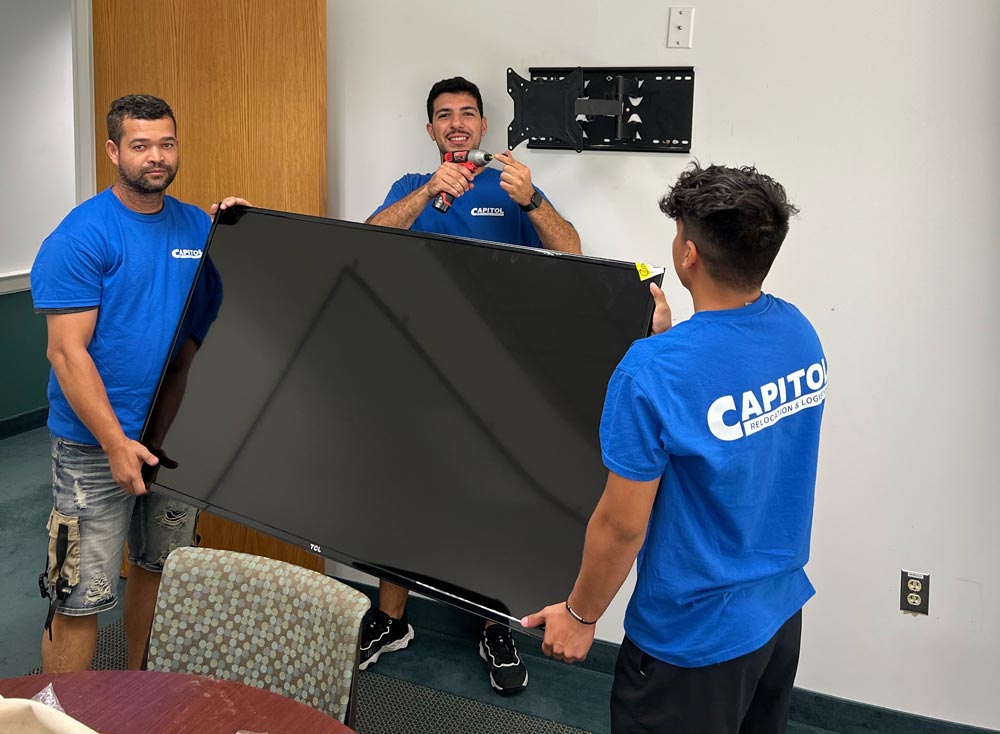
A legitimate mover operates like any other professional business. When searching for business moving companies near me, scrutinize their physical presence and credentials.
No Physical Address or Unlisted Location
A suspicious sign is a company that operates solely from a mobile phone number or a generic P.O. box. Always cross-reference their listed address to ensure it corresponds to a real business location, not a random residential home or an empty lot.
Lack of Proper Licensing (USDOT and FMCSA)
For interstate moves, a company must have a valid USDOT number, verifiable on the Federal Motor Carrier Safety Administration (FMCSA) website. Even for local moves, check state and local licensing requirements. A lack of proper licensing means zero regulatory oversight.
No Branding or Unmarked Equipment
Professional business moving companies near me invest in their brand. Their trucks should be clearly marked with the company name and logo, and their employees should be in company-branded uniform attire. A crew using rented, unmarked trucks and wearing unbranded clothing is a significant red flag for an unprofessional or fly-by-night operation.
Unprofessional Communication
How a company answers the phone is telling. If they answer with a generic greeting like “Hello, movers,” instead of their specific business name, it suggests a lack of legitimate operations. Professionalism starts with communication.
✔ Research and Reputation Red Flags
Before shaking hands or signing a contract, perform due diligence on the mover’s reputation using unbiased third-party sources.
Lack of Reviews or Consistently Poor Ratings
Don’t rely on a company’s website testimonials alone. Check independent platforms like the Better Business Bureau (BBB), Yelp, and Google Reviews. A complete lack of online history or a pattern of consistently negative feedback is a serious warning sign. Look for how the company responds to negative reviews—a professional response demonstrates accountability.
Refusal to Conduct an In-Home or Virtual Survey
A reputable mover will insist on seeing your inventory to provide an accurate quote. For a commercial move, this involves a walk-through (in-person or virtual) of your office space and equipment. Be cautious if the company provides a quote based only on a rough phone conversation, as this guarantees a price hike later.
Failure to Provide a Detailed Inventory List
Your contract must include a detailed, itemized inventory list of all assets being moved. This is critical for valuation and liability purposes. If a mover is vague about the inventory, it compromises your ability to file a claim if items go missing or are damaged.
How to Verify a Commercial Mover’s Legitimacy
Taking a few minutes to verify a company can save your business thousands of dollars and countless headaches.
✔ Check FMCSA Registration
Input the company’s USDOT number into the FMCSA database to confirm active licensing, safety records, and complaint history. This step verifies whether the mover is legally authorized for commercial transportation. Reviewing this information helps identify patterns of violations or unsafe practices before committing to a contract.
✔ Verify Physical Address
Search the mover’s listed address on Google Maps to ensure it corresponds to a legitimate commercial office or warehouse. A credible provider will have a stable, identifiable location rather than a residence or unmarked building. This quick check helps rule out pop-up operations that may disappear after collecting payment.
✔ Cross-Reference Reviews
Evaluate feedback across multiple review platforms such as Google, BBB, and Yelp to identify consistent themes in customer experiences. Look for patterns involving pricing, professionalism, and damage claims to assess reliability. Comparing multiple sources reduces the influence of fake reviews or isolated incidents.
✔ Confirm Valuation and Bonding
Request official documentation for liability valuation and bonding to ensure coverage in case of damage, loss, or nonperformance. Understanding the limits of valuation protection helps set accurate expectations for compensation. A legitimate mover will provide these documents promptly and explain the coverage clearly.
Items You Should Never Let Movers Handle
While professional business moving companies near me handle the bulk of your office equipment, certain items pose an undue risk or have legal limitations. For safety and liability, you should personally transport:
- Financial Assets: Cash, bank records, and blank checks should remain under direct supervision because they carry high theft risk and can compromise financial security if misplaced or accessed by unauthorized individuals.
- Legal & Client Sensitive Files: Confidential contracts, HR documents, and client data must be personally transported to prevent exposure of sensitive information, reduce compliance risks, and avoid potential breaches of privacy regulations.
- Irreplaceable Valuables: Jewelry, rare art, or sentimental objects require personal handling since they cannot be easily replaced, often hold significant personal or monetary value, and may not be fully covered by mover liability policies.
- Hazardous Materials: Paints, cleaning solvents, or flammable liquids should never be handed off to movers due to safety concerns, transport restrictions, and the potential for spills, contamination, or regulatory violations.
The Safest Ways to Pay for Commercial Moving Services
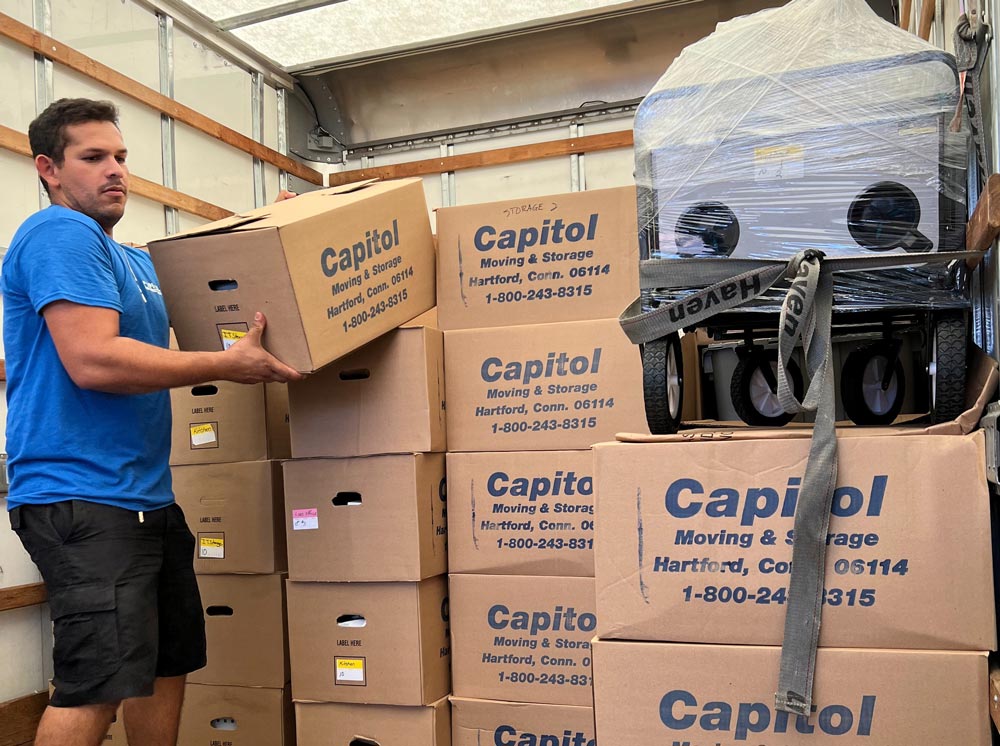
Protect your business against fraud by implementing smart payment practices:
- Use Credit Cards for Payment: Credit cards offer built-in fraud protection that is not available with cash or debit cards. Use this method for the deposit and final payment.
- Avoid Large Cash Payments: While some companies may offer a small discount for cash, the risk far outweighs the savings.
- Stage Payments Strategically: Structure the final payment to be processed only after all items have been delivered and you have verified no major damages or missing pieces.
Frequently Asked Questions
What should I ask a mover before agreeing to an estimate?
Ask about their process for creating estimates, how they calculate additional fees, and what factors could cause the price to change. Make sure they explain their inspection method and whether the quote is binding or non-binding. Clear, confident answers signal transparency and reliability.
How early should I book a commercial moving company?
Book as soon as you have a confirmed moving timeline, ideally a few weeks in advance. Early scheduling helps you avoid rushed decisions and allows time to compare multiple companies. It also gives movers time to plan properly, reducing the chance of delays.
How can I tell if a mover is being intentionally vague?
Pay attention to short answers, a lack of specifics, or hesitation when you ask about pricing or procedures. If they avoid written confirmations or redirect the conversation, it’s a warning sign. A legitimate mover should be able to explain every step clearly.
Are verbal agreements safe when dealing with a moving company?
Verbal agreements are risky because they leave no proof if disputes arise. Always request written confirmation for all terms, including services, timelines, and payment structure. Written agreements protect you and set clear expectations.
What happens if movers damage equipment during the move?
You should ask about their claims process before hiring them. Reputable companies can explain how to file claims and what their valuation does or doesn’t cover. A mover who can’t explain liability is likely unprepared or untrustworthy.
Strengthen the Moving Plan With Trusted Commercial Relocation Support!
Capitol Relocation & Logistics provides dependable commercial moving services designed to keep operations protected and on schedule during any transition. Every project receives professional coordination, secure handling, and attentive care from a team experienced in business relocations of all sizes. Partnering with a proven provider ensures safer asset management, clearer planning, and greater confidence from start to finish.
Contact Capitol Relocation & Logistics today to schedule assistance!