
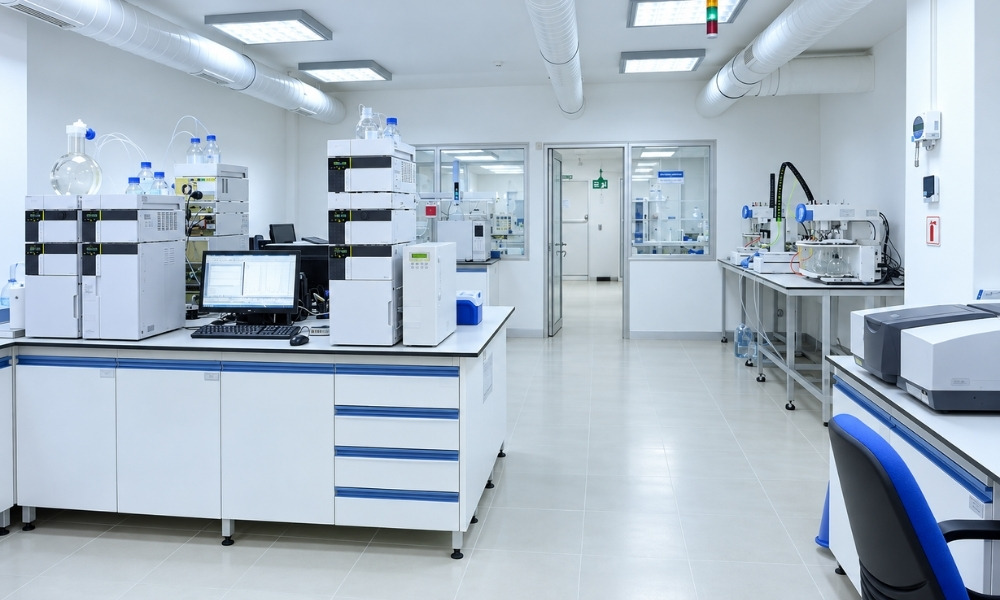
What’s In This Guide
- What Makes Laboratory and Cleanroom Moves Different From a Standard Office Relocation
- Common Risks and Planning Mistakes to Avoid in Lab and Cleanroom Relocations
- Step-by-Step: How to Plan a Laboratory or Cleanroom Relocation
- Coordination Factors That Affect Timeline and Cost
- When to Bring in a Professional Relocation Team
- Frequently Asked Questions
- Ready to Plan Your Lab or Cleanroom Move?
A lab move is not a furniture move with extra bubble wrap. Instrument calibration, sample chain of custody, decontamination sign-off, and utility restart sequencing all sit outside a typical office relocation checklist, and missing any one of them can delay a laboratory's return to normal operations after the physical move.
Facilities managers searching for moving companies near me for a laboratory or cleanroom project need a partner who understands that the move itself is only one part of a much longer operational sequence.
Quick Facts
- Standard commercial move checklists may not address instrument recalibration, and sensitive equipment can fall out of calibration or tolerance during transport if handling does not follow manufacturer requirements.
- OSHA’s Laboratory Standard, 29 CFR 1910.1450, requires covered laboratories that use hazardous chemicals to develop and carry out a written Chemical Hygiene Plan. That plan governs employee protections and safe work practices involving hazardous chemicals, while off-site hazardous materials transportation may be subject to separate requirements.
- Equipment used with biohazardous materials may require decontamination before repair, maintenance, or removal, with the need and method determined by the laboratory’s biosafety procedures and risk assessment.
- Cleanroom relocation or reassembly can affect environmental performance, so facilities should plan for post-move verification under the applicable qualification and monitoring program. ISO 14644-1 addresses classification by airborne particle concentration, while ISO 14644-2 addresses monitoring for continued cleanroom performance.
- Instruments may require recalibration or recertification after transport, particularly when manufacturers specify limits for vibration, tilt, or temperature exposure.
What Makes Laboratory and Cleanroom Moves Different From a Standard Office Relocation
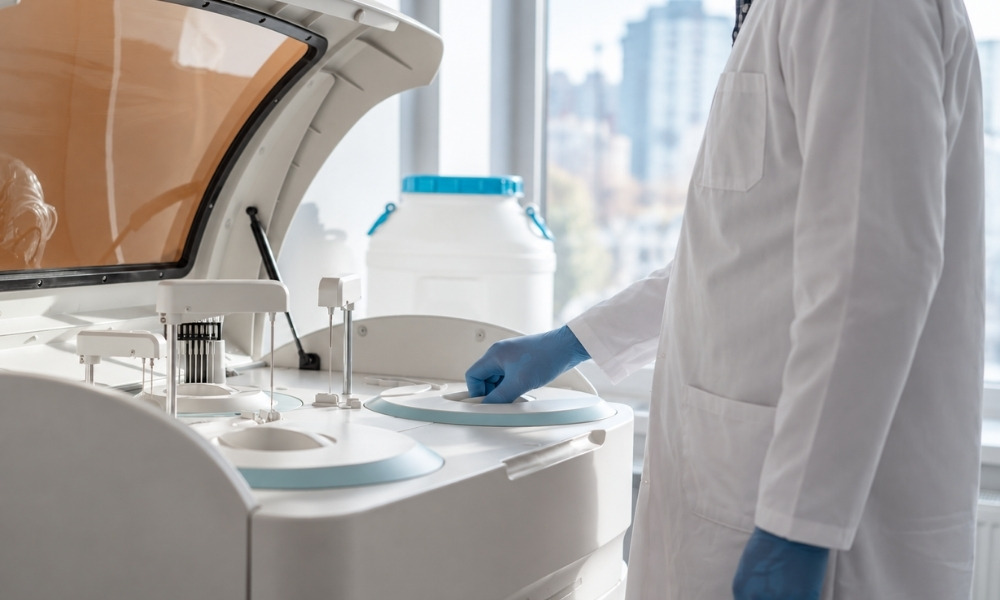
A laboratory or cleanroom relocation involves regulated materials, calibrated instruments, and controlled environments that a standard office move plan is not built to manage. The difference is complexity.
An office move focuses on desks, workstations, and IT drops. A lab move adds four layers that standard office move templates may not address: chemical and biological handling requirements, instrument sensitivity, environmental controls, and restart verification.
Each of these layers carries its own documentation, sequencing, and risk profile. Missing one can do more than slow the project down. It can compromise research data, affect calibration status or manufacturer service requirements, and create compliance problems if required procedures are not followed.
Where Standard Move Plans Fall Short for Laboratory Movers
Most generic commercial relocation checklists are built around three questions: what is being moved, where is it going, and when. Laboratory and cleanroom projects need to answer several more before a single box gets packed.
- What is inside the equipment? Refrigerators, incubators, and biosafety cabinets may hold biological or chemical residue that needs to be addressed before disassembly.
- What tolerance does the instrument require? Analytical balances, microscopes, and centrifuges can be knocked out of calibration by vibration or tilt during transport.
- What environmental class does the space need to return to? After reassembly or other significant changes, the cleanroom should be evaluated under its qualification and monitoring program, including particle classification and any other required performance tests.
- What sequence does shutdown and restart follow? Some equipment needs a cooldown or purge cycle before it can be powered off, and a warmup or recalibration cycle before it goes back into service.
A standard move plan treats these as afterthoughts. A lab-aware move plan treats them as the backbone of the schedule.
Common Risks and Planning Mistakes to Avoid in Lab and Cleanroom Relocations
Common risks in lab and cleanroom moves include compressed timelines, missing documentation, and equipment handled without the procedures required for sensitive instrumentation. These issues often stem from inadequate pre-move planning.
Rushed Timelines
Facilities teams often plan the physical move around a lease date or construction handoff, without building in time for decontamination sign-off, IT and utility disconnection, or a pre-move equipment inventory.
Missing Equipment Inventories
Without a documented list of every instrument, its serial number, calibration status, special handling requirements, and pre-move condition, it becomes difficult to verify that everything arrived and determine whether damage occurred in transit.
Skipped Decontamination Steps
Equipment that may be contaminated with biological agents should be assessed and decontaminated as required under the laboratory's biosafety procedures before handling or removal.
Underestimating Utility Complexity
Labs often rely on specialized gas lines, vacuum systems, deionized water, and dedicated power circuits that may require qualified facilities personnel or licensed trades to disconnect and reconnect safely.
READ MORE: What Does a Commercial Move Mean? Key Points to Know
Step-by-Step: How to Plan a Laboratory or Cleanroom Relocation

A lab or cleanroom relocation is easier to control when it follows a defined sequence, starting well before the physical move and ending with verified restart of required systems. For lab equipment relocation, the steps below provide a practical sequence for regulated or sensitive spaces.
Step 1: Build a Full Equipment and Material Inventory
Document every instrument, its make and model, current calibration status, and any hazardous materials associated with it. This inventory becomes the reference point for packing priorities, decontamination needs, and post-move verification.
Step 2: Coordinate Decontamination and Chemical Hygiene Sign-Off
Equipment that may be contaminated with biological agents should be assessed and decontaminated as required under the laboratory's biosafety procedures before handling or removal. CDC and NIH's BMBL guidance recommends decontaminating equipment before repair, maintenance, or removal from areas where infectious materials are handled or housed. For workplaces covered by OSHA's Laboratory Standard, the written Chemical Hygiene Plan should guide employee protections for hazardous chemical handling during the move, while off-site transportation and disposal may be subject to separate requirements.
Step 3: Loop In OEM Support for Sensitive Instruments
Manufacturers often have specific requirements for disconnecting, transporting, and reinstalling analytical instruments, mass spectrometers, and imaging systems. Involving the original equipment manufacturer early helps confirm what needs professional disassembly versus what a moving crew can safely handle.
Step 4: Plan Shutdown and Restart Sequencing
Map out which systems need to power down first and which need to come back online first. Ultra-low freezers, for example, may need product transferred to backup cold storage before the unit itself is moved.
Step 5: Confirm Utility and Environmental Readiness at the New Site
Verify that gas lines, exhaust systems, deionized water, backup power, and HVAC controls are installed and tested at the destination before equipment arrives. After reassembly or other significant changes, verify airborne particle concentration against the applicable ISO 14644-1 classification and complete any additional airflow or performance testing required by the facility's qualification and monitoring program.
Step 6: Execute the Physical Move With Trained Handling Crews
Sensitive instruments, casework, and specialized furniture should be moved by crews trained in rigging and equipment handling, using appropriate padding, crating, and load securing for the specific weight and fragility of each item.
Step 7: Run Operational Verification Before Resuming Work
Test every instrument, recalibrate where needed, and confirm environmental readings match the required classification before staff resume normal operations. This step is what separates a completed move from a functioning lab.
Coordination Factors That Affect Timeline and Cost
Laboratory and cleanroom relocation timelines and costs are shaped by equipment sensitivity, decontamination scope, utility complexity, and how tightly the move needs to align with research or production schedules. These factors vary significantly from one facility to the next, so costs are best understood as estimate-based rather than fixed.
Factor | Why It Matters |
Equipment sensitivity | Instruments needing recalibration or OEM disassembly add time and specialized labor |
Decontamination scope | Potential biological or chemical contamination may require decontamination, clearance, or documentation before handling or transport. |
Utility complexity | Gas lines, vacuum systems, and dedicated power may require qualified or licensed trades for disconnection and reconnection, depending on the system and jurisdiction. |
Environmental class | Cleanrooms may require particle reclassification and additional qualification or performance testing after reassembly or significant changes. |
Access and scheduling | Loading dock hours, freight elevator access, and after-hours windows affect crew planning |
Business continuity needs | Phased moves that keep part of the lab operational take longer to coordinate than a full shutdown |
Because every facility's equipment list, environmental requirements, and access constraints are different, an accurate cost picture comes from a site-specific assessment rather than a general estimate. Businesses evaluating a lab or cleanroom move should treat early scoping conversations as part of the planning process.
When to Bring in a Professional Relocation Team

Laboratory and cleanroom moves may warrant a professional relocation team when the project involves specialized equipment, environmental controls, or a schedule with limited tolerance for downtime. Regulated materials may also require qualified specialty providers and separate transportation procedures. In-house teams can face substantial coordination demands across departments, vendors, and building systems.
A relocation partner experienced in commercial equipment handling brings a few practical advantages to a lab or cleanroom project:
- Rigging and specialized handling for heavy or delicate instruments that require proper load securing, crating, and transport equipment.
- Project coordination across multiple stakeholders, including facilities staff, IT teams, OEM technicians, and building management.
- Experience with phased moves, which allow part of a lab to stay operational while another section is relocated.
Frequently Asked Questions
How far in advance should a laboratory relocation be planned?
Planning should begin well before the physical move so there is time to coordinate equipment vendors, decontamination, utilities, permits or internal approvals, and destination readiness. Facilities with highly specialized instruments or controlled environments may need substantially more lead time than a conventional commercial move.
Who handles decontamination before a lab move?
Decontamination is typically coordinated by the laboratory’s environmental health and safety, biosafety, or other designated compliance personnel. The responsible team should establish the required cleaning method, document completion, and confirm that equipment is safe for movers or service technicians to handle.
Can laboratory samples and reagents be transported with general equipment?
Not necessarily. Samples, chemicals, reagents, biological materials, and temperature-sensitive products may require separate packaging, environmental controls, documentation, or specialized transportation procedures. They should be reviewed individually rather than packed as ordinary laboratory contents.
What relocation records should a laboratory keep after the move?
Facilities should retain relevant equipment inventories, condition records, decontamination documentation, calibration or certification records, vendor service reports, and any cleanroom or environmental verification results. These records help document what was completed before equipment and controlled spaces returned to service.
What should be checked at the new laboratory before equipment is delivered?
Facilities teams should confirm that required power, gas, vacuum, water, exhaust, HVAC, network connections, and other utilities are operational before sensitive instruments arrive. Verifying destination readiness first reduces the risk of equipment sitting disconnected while contractors finish essential infrastructure.
Ready to Plan Your Lab or Cleanroom Move?
Coordinating cleanroom moving takes more than a standard moving checklist. With Capitol Relocation & Logistics, you get a team that understands equipment handling, project sequencing, and the coordination required to keep a facility on schedule.
Contact us today to request a custom moving estimate and get your relocation planned right.