

Table of Contents
Is Moving at the Start or End of the Month More Practical
Which Day Is the Most Expensive for a Household Move
Make Every Move Stress-Free with Expert Support!
Key Takeaways
✔ Clear weather, longer days, and school breaks make summer moves easier and more convenient for many households.
✔ High demand, limited mover availability, and extreme heat are the main challenges of relocating in summer.
✔ Moving during winter often offers lower costs, fewer crowds, and more flexible scheduling options.
✔ Cold weather, shorter days, and holiday conflicts add extra difficulties during winter relocations.
✔ Selecting the right move-in date depends on weather, school schedules, job commitments, and lease agreements.
✔ Moves at the start or end of the month can be busier, while mid-month dates often allow more flexibility.
✔ Weekends are typically the most expensive and hardest to book, while weekdays provide better availability.
The best time to move depends on priorities, but summer offers convenience like good weather and school breaks, while winter is cheaper and less busy, albeit with weather risks and holiday conflicts. For budget-conscious individuals or those prioritizing fewer crowds, winter is often better, while families with children often prefer summer for easier adjustment and scheduling.
Pros of Moving in Summer
Good Weather
Summer offers ideal conditions for moving day. Clear skies, warm temperatures, and long daylight hours create a safe environment for lifting, loading, and transporting items. Movers have more time in the day to complete tasks, and there is less concern about icy sidewalks or unpredictable storms.
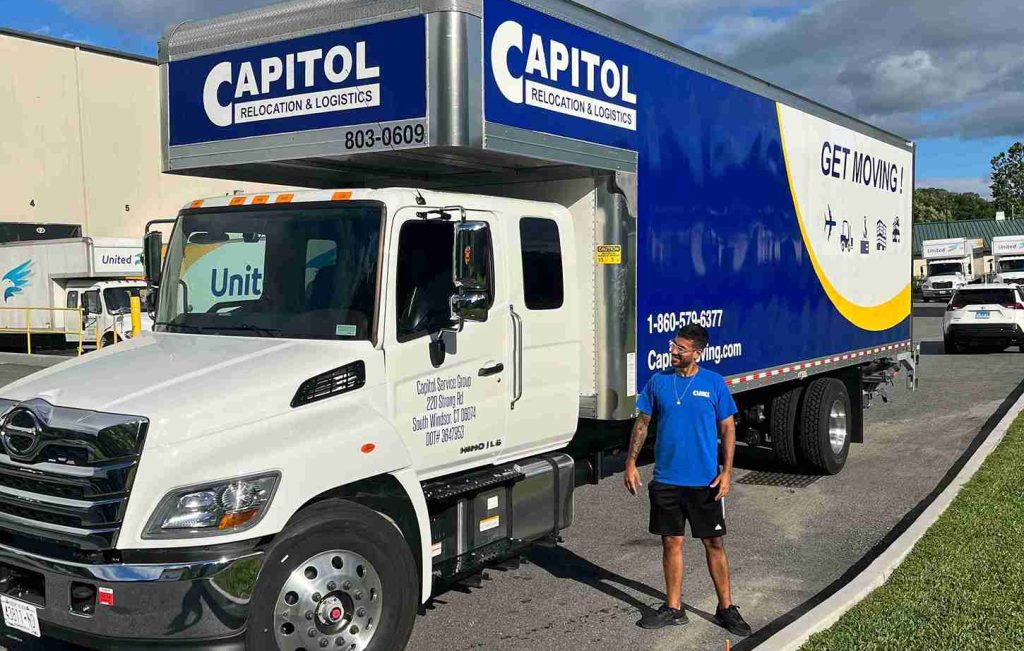
Companies like Capitol Relocation & Logistics maximize these conditions with well-prepared crews and efficient scheduling.
Flexible Scheduling
Summer often makes scheduling easier because many people take time off from work. This allows households to plan a move without disrupting employment responsibilities. Movers also tend to increase staff during this season, which means there may be more appointment times to choose from, especially if planned in advance.
School Alignment
Families often favor summer because it lines up well with school calendars. Children can complete the academic year without interruption, and they have time to settle into a new home before classes resume. This transition helps reduce stress for both parents and children.
Housing Market
Real estate activity typically peaks in the summer, creating more opportunities for those planning a move. Sellers may benefit from higher property prices, while buyers often enjoy a wider selection of homes on the market. In fact, recent data from Redfin shows there were an estimated 35.2% more home sellers than buyers in August, amounting to about 505,915 more sellers.
The only stronger example on record was June 2025, when sellers outnumbered buyers by 36.3%. For those relocating, these conditions highlight how summer can be the most active season for selling or buying a home.
Cons of Moving in Summer
Higher Costs
With so many people relocating, summer is the busiest season for moving companies. This higher demand often translates into higher costs for services. Clients need to plan and book well in advance to secure reputable movers during this time.
Less Availability
Because summer is so popular, availability is limited. Top-rated movers and the most desirable housing may already be booked. Families and individuals should make arrangements early to avoid last-minute challenges.
Heat
High temperatures can make the physical effort of moving uncomfortable and even hazardous. Carrying boxes, lifting furniture, and loading trucks in the heat may increase fatigue. Fragile belongings also require extra protection to prevent damage from humidity and heat exposure.
Moving in the Summer Tips
Relocating in hot weather comes with its own challenges, but these moving in the summer tips will help keep you cool, safe, and organized:
- Plan Around the Heat: Schedule your move early in the morning or later in the evening to avoid peak heat.
- Stay Hydrated: Keep plenty of water on hand for yourself and movers, and take breaks to prevent overheating.
- Protect Fragile Items: High temperatures can warp or damage items like candles, electronics, and vinyl. Pack them carefully and keep them out of direct sun.
- Dress for Comfort: Wear lightweight, breathable clothing, hats, and sunscreen to stay protected from the sun.
- Keep Utilities On: Make sure air conditioning and electricity are active at your new home before moving in.
- Have a Summer Kit Handy: Pack cold drinks, snacks, sunscreen, and a small first aid kit for quick access during the move.
Pros of Moving in Winter
Lower Costs
When fewer people are relocating, prices often decrease. Moving during winter usually means lower demand, which can make services more affordable. Households and businesses looking for cost savings may find this season appealing.
Fewer Crowds
Moving during winter is less hectic on the roads and in housing markets. This calmer pace creates a more relaxed environment for movers and clients alike. It is easier to schedule moving crews, and there is less competition for rental properties or homes.
More Availability
Since movers receive fewer bookings in colder months, clients often enjoy greater scheduling flexibility. Last-minute changes are easier to accommodate, and there are more options for selecting a preferred date. Working with experienced movers like Capitol Relocation & Logistics ensures even winter relocations stay organized and stress-free.
Cons of Moving in Winter
Adverse Weather
Snow, ice, and freezing rain can pose challenges for transportation and safety. Trucks may have to drive more carefully, and movers need to take precautions when carrying items on slippery surfaces. For households moving in the winter, simple steps like shoveling sidewalks, using salt on pathways, and covering furniture with protective wrap are vital. These moving in winter tips help keep the day safe and organized.
Shorter Daylight Hours
With fewer daylight hours, movers must work within a tighter time frame. This can slow the process, especially when fragile or oversized items require careful handling. Proper planning and communication with the moving team help make the most of available daylight.
Holiday Conflicts
Winter months coincide with holidays, which can add stress to an already busy season. Along with juggling gatherings, travel, and family commitments, colder months can also affect well-being.
According to the American Psychiatric Association, two in five Americans say their mood worsens in winter, and nearly a third report that the shift of “falling back” impacts their mental health. For this reason, thoughtful scheduling is especially important, and those moving in winter tips often include avoiding dates close to major holidays when possible.
Moving in the Winter Tips
Relocating in cold weather can be tricky, but these moving in the winter tips make the process smoother and safer:
- Plan for Weather: Allow extra time and check forecasts. Coordinate backup plans with movers in case of snow or ice.
- Protect Your Belongings: Use blankets, insulation, and plastic bins to shield items like electronics, glass, and plants from the cold.
- Clear Pathways: Shovel driveways and sidewalks, then salt or sand to prevent slipping.
- Dress in Layers: Wear layered clothing, waterproof gloves, and boots with good traction to stay comfortable while following these moving in the winter tips.
- Keep Utilities On: Ensure heat and electricity are active at your new home before moving in.
- Pack a Winter Kit: Keep hot drinks, snacks, blankets, and an emergency kit handy
How To Choose a Move-In Date
Selecting the right date for relocation often depends on several personal and practical factors:
- Weather Conditions: Favorable weather reduces stress and risk. Families moving in the winter need to prepare with extra gear such as shovels, salt, and waterproof coverings. These simple steps are among the most useful winter moving tips.
- School Schedules: Parents with school-age children often plan moves around summer break to minimize disruption.
- Job or Lease Changes: Work commitments and lease expiration dates often dictate exact timing.
- Flexibility: Keeping an open mind with dates allows households to secure the best moving teams. For those planning a cold-season relocation, applying simple winter moving tips—such as avoiding peak holiday weekends or allowing extra time for travel—can make scheduling even smoother.
Is Moving at the Start or End of the Month More Practical
Most leases and rental agreements begin or end at the start or end of the month. This makes these periods very busy for movers. Clients may face tighter schedules and limited availability during these times.
A mid-month move can sometimes be more practical, as movers are less likely to be booked solid. Families moving in the winter often discover that avoiding the first and last days of the month makes planning easier, since crews have more open dates and can provide additional flexibility.
Which Day Is the Most Expensive for a Household Move
The day of the week also impacts relocation planning. Weekends are usually the busiest, since that is when most people are free from work. This demand makes weekends the most expensive and hardest to book.
Weekdays, on the other hand, often provide greater availability and flexibility. Families and individuals who can schedule a weekday move generally find it less stressful. Those moving in the winter should also consider weekdays, since daylight hours are limited and roads are less crowded compared to weekends.
However, take note that moving company schedules and costs can vary, so it is recommended to consult reputable providers like Capitol Relocation & Logistics for accurate and up-to-date information.
Frequently Asked Questions
How far in advance should movers be booked?
Book movers at least four to six weeks ahead, especially in busy seasons. This gives you more choice of dates, time to compare providers, confirm coverage, and prepare belongings. For winter moves, add in moving in the winter tips like planning for weather delays.
What items should not be packed for a move?
Movers usually restrict hazardous items like fuel, paint, and chemicals. Perishable food, plants, and personal valuables such as jewelry or documents should also be kept with you. Always confirm with the moving company in advance.
How can fragile items be protected during a move?
Fragile belongings need special care to arrive safely at the new location. Wrapping items in bubble wrap or packing paper, adding padding, and labeling boxes as “Fragile” helps prevent damage. Simple moving in winter tips, like insulating delicate items from extreme cold, add extra protection.
Why is labeling boxes important?
Labeling with room names and contents helps movers place boxes correctly and makes unpacking faster. It also ensures essentials like kitchen supplies are easy to find. Without labels, items can be misplaced and cause delays.
Should clients stay during the move?
Yes, staying nearby allows you to answer questions, give directions, and make quick decisions if issues come up. Being present ensures belongings are handled safely and according to your preferences.
Make Every Move Stress-Free with Expert Support!
Relocations can feel overwhelming without the right team in place. Capitol Relocation & Logistics brings the experience, equipment, and professional crews needed to handle moves of any size. From careful packing to secure transport, every step is managed with precision and attention to detail. Whether a household or business relocation, the focus remains on safety, efficiency, and dependable service. Capitol Relocation & Logistics ensures each transition is completed smoothly, giving peace of mind from start to finish.
Contact Capitol Relocation & Logistics today to schedule a trusted moving service.